
Do Italians Put Meatballs in Their Spaghetti?
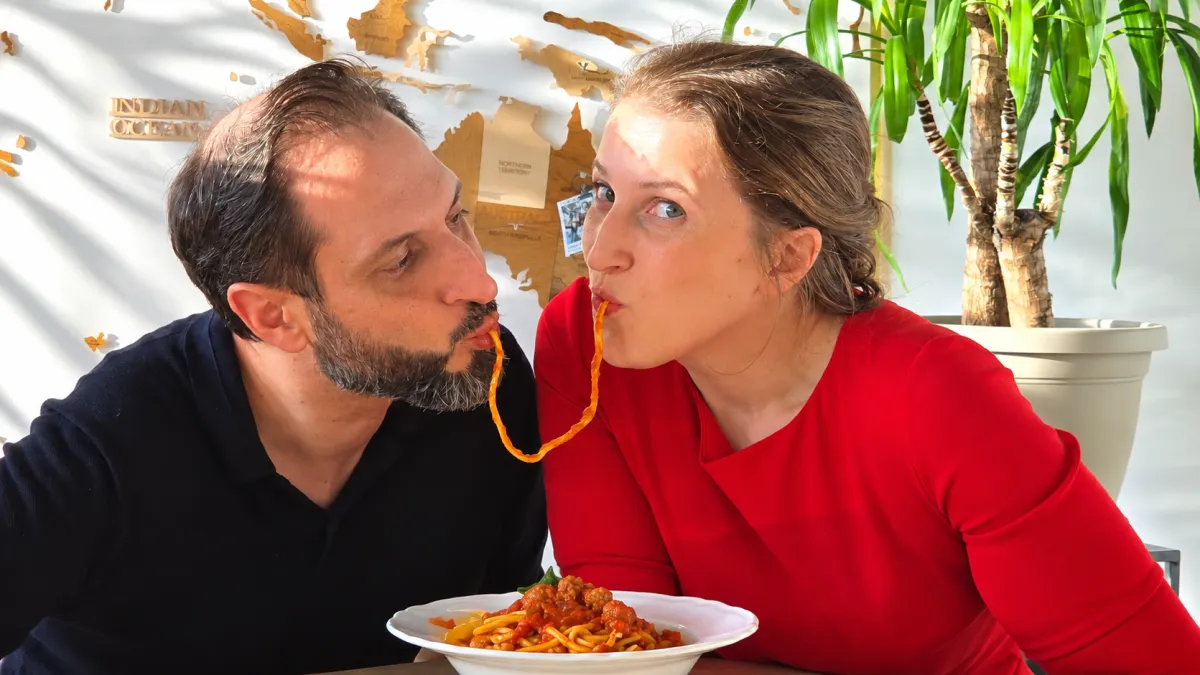
If I say “spaghetti and meatballs,” one of the first one of the first images that probably comes to mind is that unforgettable romantic scene from Lady and the Tramp: a big plate of spaghetti, tomato sauce, and large meatballs, with a little Italian-style music in the background.
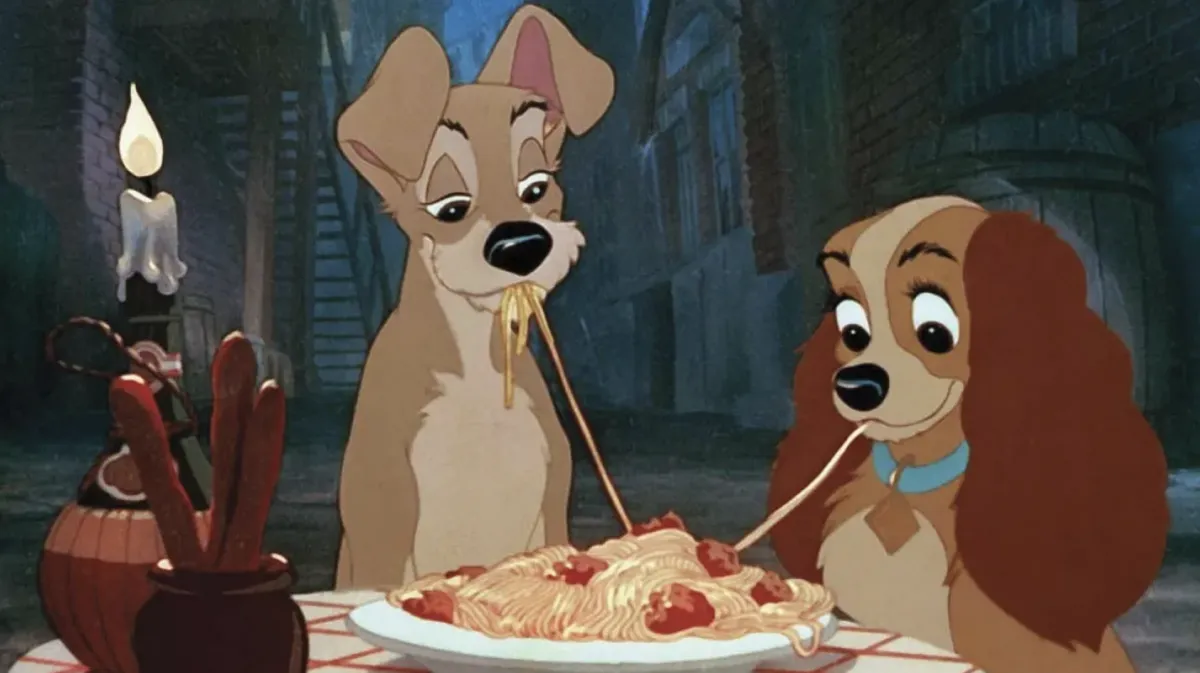
Iconic? Absolutely.
Italian? Well… that’s where the story becomes more interesting.
Maybe you have visited Italy hoping to finally taste that famous plate of spaghetti and meatballs for yourself. You sat down in restaurant after restaurant, opened the menu, searched with great hope… and somehow, you never found it.
So the question is completely fair:
Do Italians actually put meatballs in their spaghetti?
The answer is not as simple as yes or no.
It depends on history, tradition, migration, and, most importantly, where you are in Italy.
Let’s explain.
The Spaghetti and Meatballs Most People Know
The version many people know today, spaghetti served with tomato sauce and large meatballs, is strongly connected to Italian-American cuisine.
It became especially popular in the United States, where Italian immigrants, many of them from Southern Italy, adapted their food traditions to a new life, new ingredients, and new possibilities.
This because at the time, in America, meat was often more accessible than it had been for many families in Italy in this way portions became bigger, ingredients changed, and traditional recipes naturally evolved with the people who were cooking them.
So, the big plate of spaghetti with large meatballs that became famous around the world is not usually something you would find as a classic everyday dish in most Italian homes.
In Italy, you can absolutely find meatballs our beloved polpette... But finding them served on top of a big plate of spaghetti?
That is much less common.
Unless you know where to look.
Let’s Understand Pasta in Italy for a Second
Pasta tradition in Italy is incredibly vast.
There are hundreds of pasta shapes, countless local names, and an entire world of regional variations. From region to region, city to city, and sometimes even village to village, things can change completely.
The same pasta shape may have different names depending on where you are.
And sometimes, the same name may refer to different shapes.
This is one of the reasons Italian pasta is so fascinating, but also so confusing if you are trying to understand it from the outside.
So if you asked many Italians:
“Do spaghetti and meatballs exist in Italy?”
They would probably answer:
“No, that’s American.”
But sometimes, the problem is not that a dish does not exist. Sometimes, the problem is that it exists, in a different region, with a different shape, or with a completely different name... And this is exactly why pasta is never just pasta.
So Are Spaghetti and Meatballs Italian or Not?
The big Italian-American version with large meatballs is not the Italian classic, but the idea of pasta served with tiny meatballs does have a real Italian story behind it.
We’ve shared this part of the story with the Pasta Fam inside our Pasta Diary.
If you want to discover where to find the real Italian pasta with meatballs, what it is called, and why it is so different from the famous Italian-American version, join our Pasta Fam.
The Pasta Fam is our free global family of pasta lovers, where we talk, cook, share and learn and all those little details that make Italian pasta so much more than just a recipe.
And because Dave and I never want you to arrive empty-handed, when you join for free you can also choose:
1 pasta dough to start with and with that you’ll get
2 video lessons to learn traditional pasta shapes
6 easy family sauce recipes
Because pasta is not pasta without sauce.
Join the Pasta Fam - it’s free - if you want to continue this amazing journey into the pasta traditions...
We are waiting for you inside.
A big hug,
Vallì & Dave
if you love pasta so much
WELCOME TO THE PASTA LOVERS HOUSE!
Where the magic of homemade pasta brings people together
From our home in Italy to yours... let's keep the traditions of authentic Italian homemade pasta alive, together, like a big family.


Vallì & Dave | We are Pastatarians
We make (and eat) Pasta every single day.
The most entertaining Pasta Experts from Verona. Since 2019, we 've opened the doors of our home in Verona and our Pasta Lovers House, teaching people how to have fun in the kitchen while rediscovering the flavors and tastes of the shape of pasta—within the rhythm of modern life. Welcome home! Discover more


